
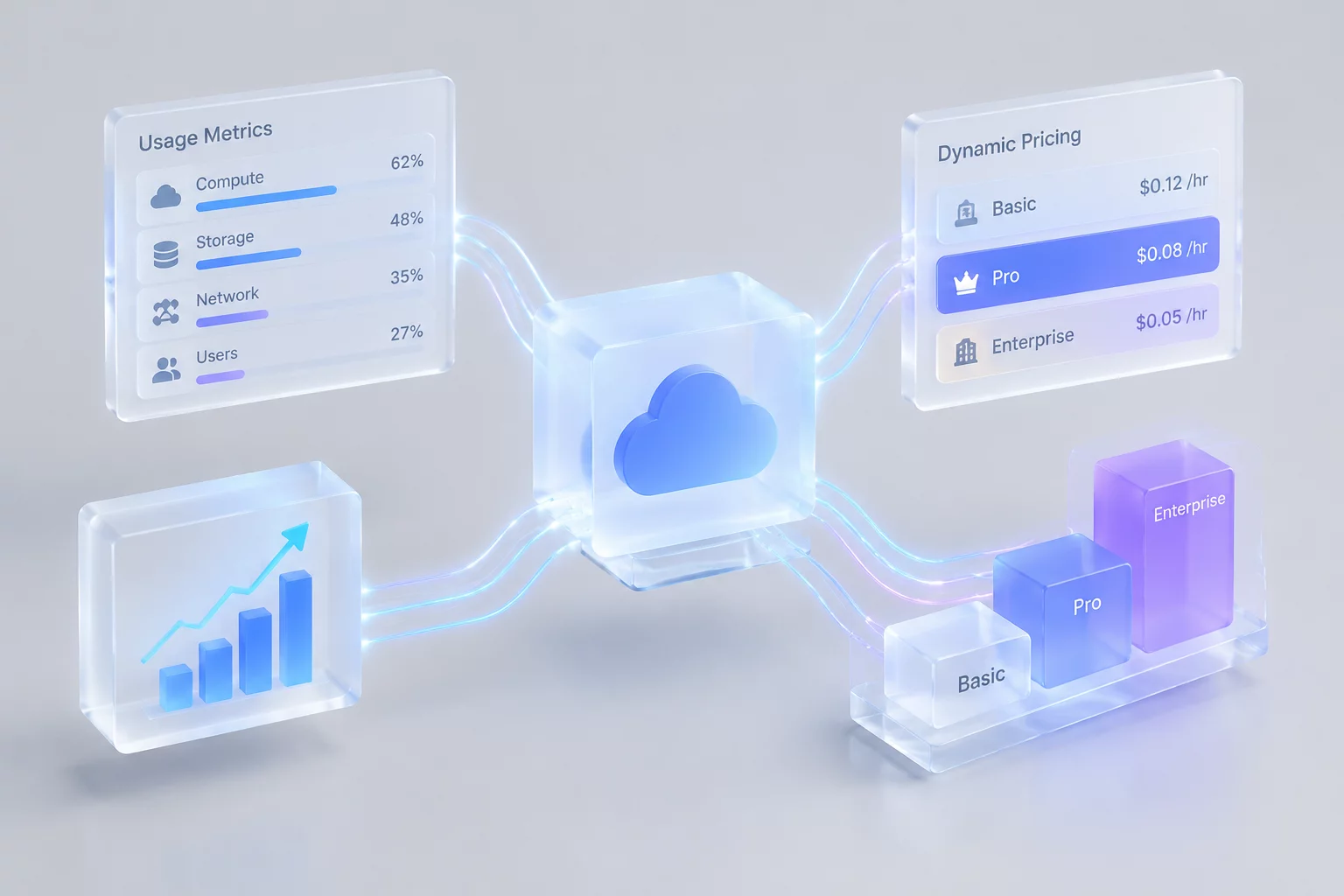
Structural Shift: Seat Licensing to Metric Consumption
Enterprise software procurement frameworks are undergoing a structural recalibration across global organizations. As machine automation, automated data pipelines, and background computational engines assume tasks previously assigned to human operators, standard seat-based licensing no longer reflects actual enterprise utility or resource intensity.
The research highlights how enterprise software vendors structure modern hybrid arrangements. Baseline platform access fees combine with tiered consumption units, enabling financial modeling teams to project software expenditure against verifiable processing workloads rather than arbitrary user tallies.
- Baseline access fee structures that preserve platform uptime, fundamental data storage, and strict SLA commitments.
- Metered computational tokens and query frequencies that scale strictly according to departmental workload demands.
- Automated governance guardrails and threshold alerts designed to prevent unpredicted mid-period expense escalations.
"Modern software economics require dynamic usage modeling rather than static headcount approximations, aligning operational expenditure directly with computational throughput."
— Enterprise Systems Research Group
Modeling Dynamic Consumption in Corporate Planning
Corporate planning teams require updated mathematical representations to capture variable consumption patterns across distributed departments. Replacing static annual seat count multiplications with stochastic scenario simulations allows organizations to project seasonal spikes in analytical queries and background automated jobs.
Multi-variable sensitivity matrices help quantify how automated workflows alter contract obligations over multi-year horizons. By stress-testing different usage percentiles, financial modelers establish comprehensive upper and lower bounds for enterprise software commitments.
Governance and Telemetry Tracking Mechanisms
Accurate consumption forecasting depends entirely on high-fidelity telemetry pipelines integrated across cloud instances. Enterprise IT departments and corporate modeling teams establish unified data feeds that track API call volumes, compute seconds, and model execution hours on a continuous basis.
By bridging telemetry feeds directly into baseline projection templates, scenario analysts build responsive feedback loops. These models detect usage anomalies in early operational cycles before variance impacts broader fiscal reviews.