
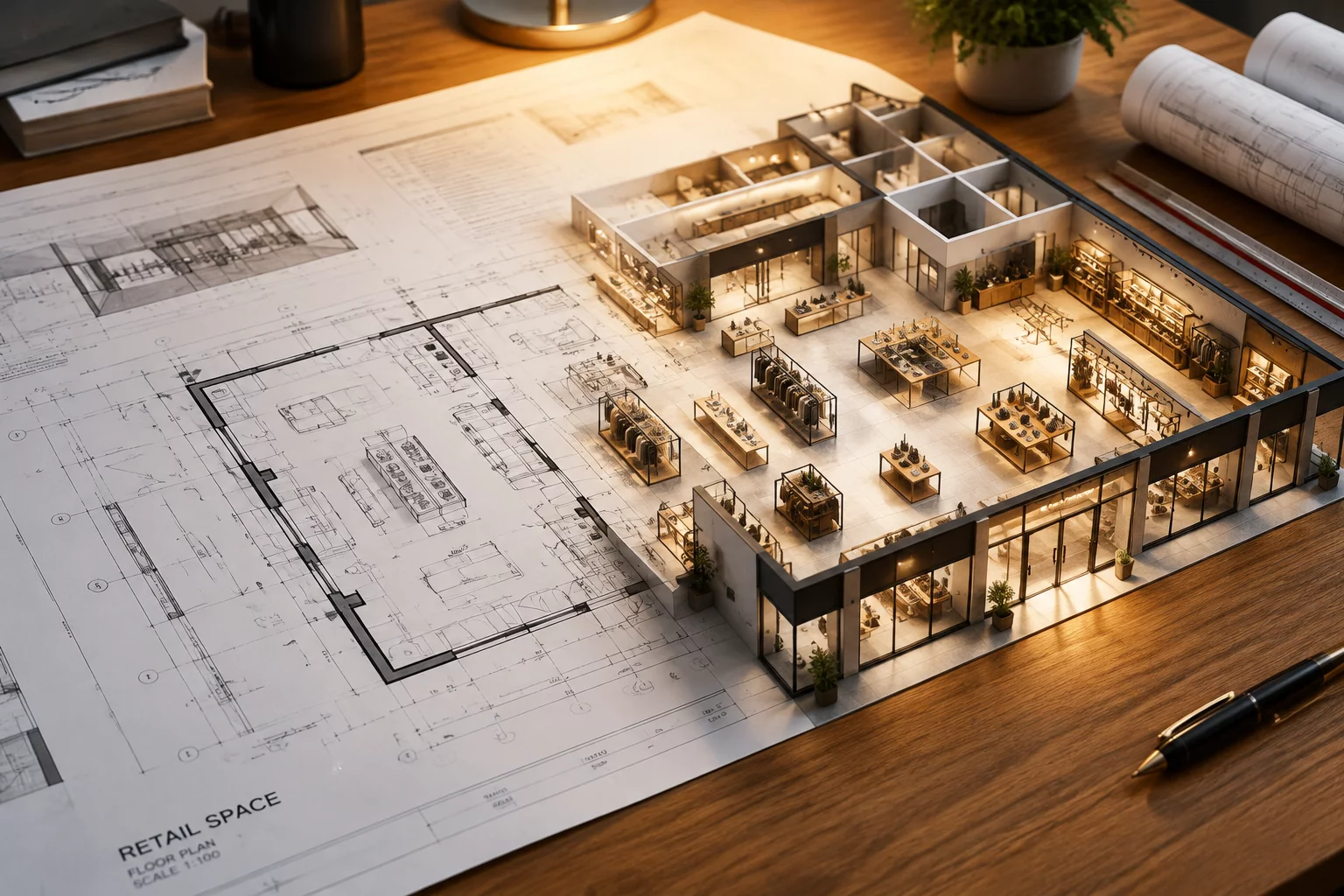
Architectural Breakdown of the Multi-Year Capital Allocation
Target Corporation has formalized a comprehensive multi-year modernization blueprint powered by a $2 billion strategic budget. The initiative focuses on scaling automated supply chain sortation facilities, integrating dynamic inventory modeling, and reimagining retail footprint efficiency across regional distribution corridors.
By deploying high-density sortation infrastructure near dense metropolitan consumer clusters, the corporation aims to accelerate last-mile logistics while lowering fulfillment handling steps per package.
- Expansion of automated sortation hubs to process over double the current local unit capacity.
- Implementation of real-time store-level inventory synchronization across digital and physical touchpoints.
- Upgrade of guest-facing mobile scanning and self-service interaction terminals across high-volume locations.
"Modern retail resilience relies on structural execution speed where physical stores operate simultaneously as shopping destinations and high-velocity micro-fulfillment centers."
— Strategic Planning Research Directorate
AI-Powered Demand Modeling and Local Sortation Optimization
At the technical core of the capital plan is the integration of predictive machine learning engines designed to forecast hyper-local demand patterns. These dynamic models evaluate historical purchase volume, seasonal variability, and delivery routing schedules to pre-position stock across individual retail hubs before orders materialize.
This predictive inventory placement substantially reduces inter-facility cross-docking transit times, minimizing freight costs and streamlining warehouse operations without expanding baseline square footage.
Store-as-a-Hub Execution and Omnichannel Scaling
The plan re-emphasizes the store-as-a-hub fulfillment framework, wherein local store units fulfill upwards of 95% of digital purchase volume. Capital allocations will outfit selected stores with backroom automated storage and retrieval systems (ASRS) and dedicated drive-up staging zones.
Through this physical infrastructure optimization, order prep cycle times are projected to contract, enabling broader same-day pickup availability while maintaining disciplined store operating expenses.